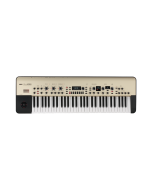
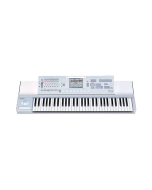
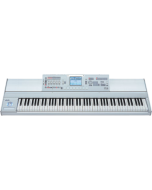
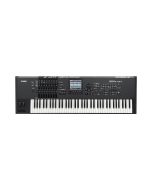
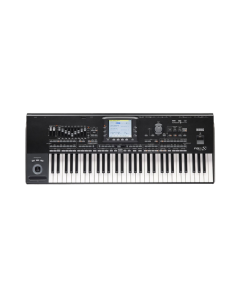
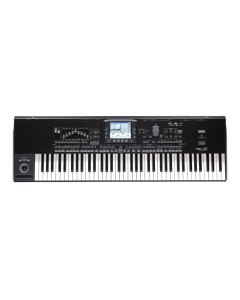
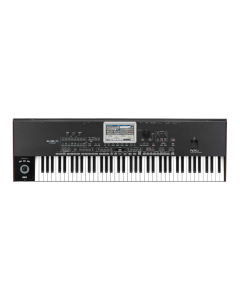
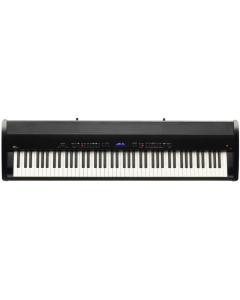
Roland JD-XA Crossover Synthesizer
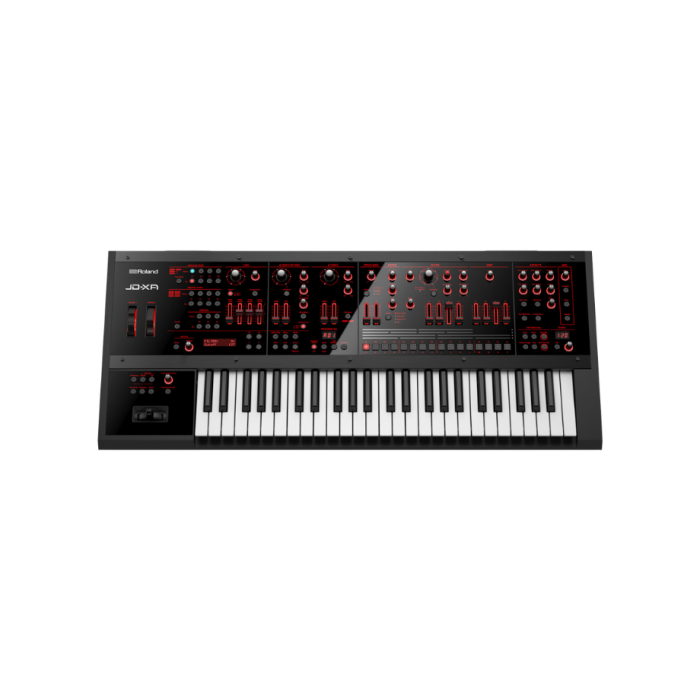
Break the boundaries of synthesis with the Roland JD-XA, a powerhouse hybrid instrument that combines the warmth and grit of a true analog engine with the versatility and precision of a cutting-edge digital synth. Designed for professional sound designers, touring keyboardists, and studio producers in the UAE, the JD-XA offers two worlds of sonic exploration in a single, high-performance chassis, allowing you to layer, morph, and process sounds in ways never before possible.
Crossover Architecture: The Best of Both Worlds
The JD-XA is built on a unique "Crossover" architecture. It features a fully independent 4-part analog engine—complete with true analog filters and a dedicated direct dry output—perfect for rich, evolving textures, thick basses, and aggressive leads. Simultaneously, it houses a sophisticated 4-part digital engine driven by Roland’s SuperNATURAL synth technology. You can run these engines independently or layer them together to create massive, complex soundscapes that blend the organic harmonic distortion of analog circuitry with the pristine, high-fidelity clarity of digital synthesis.
Deep Control and Intuitive Sound Sculpting
Take total control over your signal flow. Every knob, slider, and button on the JD-XA’s sleek control panel is backlit with customizable multi-color lighting, providing immediate visual feedback on your modulations and settings, even in dark stage environments. With massive real-time modulation capabilities, a powerful integrated step sequencer, and a comprehensive effects engine—including high-quality reverb, delay, and distortion modules—the JD-XA is an elite playground for sonic experimentation.
Key Product Benefits
- Dual-Engine Hybrid Power: Combine the rich warmth of a 4-part discrete analog engine with the high-definition flexibility of a 4-part digital synth.
- Versatile Analog Filters: Dedicated analog filters provide the character and punch of vintage hardware with modern, high-precision control.
- Dynamic Performance Interface: Tactile, illuminated control panel makes sound design visual and intuitive during live performance and studio sessions.
- Integrated Step Sequencer: Build complex rhythms and evolving melodic sequences with a multi-track, real-time recording engine.
- Professional Effects Suite: Access studio-grade multi-effects, including Bit Crusher, Flanger, and Reverb, to polish your sounds without external processing.
Official Technical Specifications
- Keyboard: 49 velocity-sensitive keys with channel aftertouch
- Sound Engines: 4-part Analog (2 oscillators per part + 1 sub-oscillator) and 4-part Digital (SuperNATURAL)
- Analog Output: Dedicated Analog Dry Output for professional studio routing
- Polyphony: 4 voices (Analog parts); 64 voices (Digital parts)
- Effects Section: Multi-effect (MFX) per part, plus global Reverb, Delay, and Master EQ
- Sequencer: 16-track step sequencer (8 internal, 8 external)
- Connectivity: MIDI I/O (5-pin), USB (Type B), Pedal/Control Jacks, Headphone Out, Stereo Main Outputs
- Physical Dimensions: 899 mm Width x 379 mm Depth x 112 mm Height
- Net Unit Weight: 6.5 kg
Common Customer Questions Answered
Can I route the digital engine through the analog filters?
Yes. One of the most powerful features of the JD-XA is the ability to route the digital sound engine through the analog filter path. This lets you apply the warm, gritty harmonic character of real analog voltage-controlled filters to your clean digital oscillators, creating unique, hybrid sounds that are physically impossible on traditional hardware.
Is the JD-XA suitable for controlling other MIDI synthesizers?
Absolutely. The JD-XA acts as an excellent MIDI master controller. Its integrated sequencer features dedicated external tracks that can sequence and trigger your other external hardware synthesizers, drum machines, and samplers, making it a perfect, centralized hub for a large professional studio rig.
What does "Crossover" mean in the context of this synthesizer?
The term "Crossover" refers to the JD-XA's ability to seamlessly cross or blend between two disparate synthesis technologies. It isn't just a digital synth with analog filters, nor an analog synth with digital effects; it is a full, parallel instrument where you can freely decide how much of the analog component and how much of the digital component should contribute to your final output patch.